
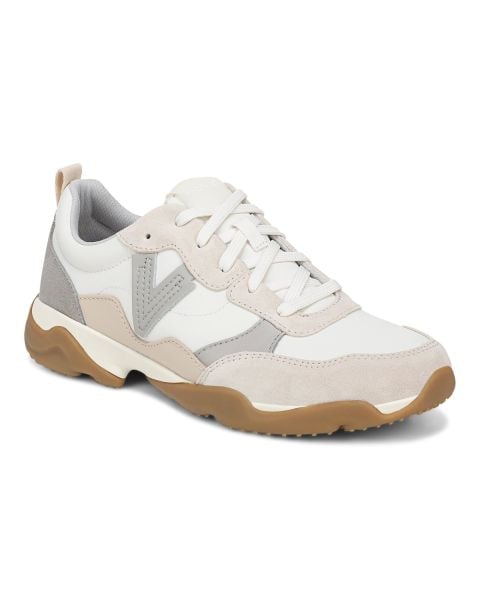
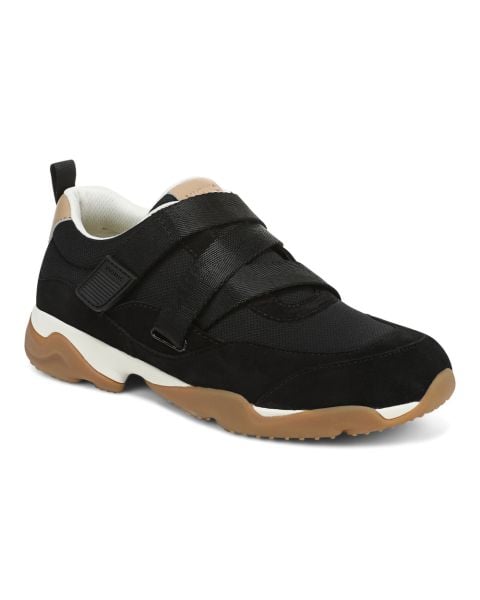

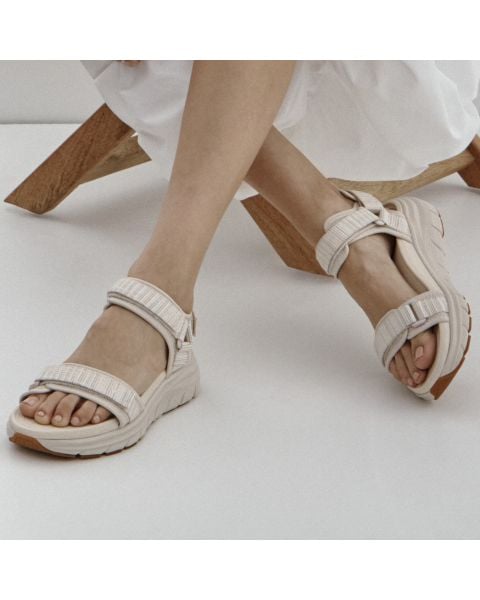
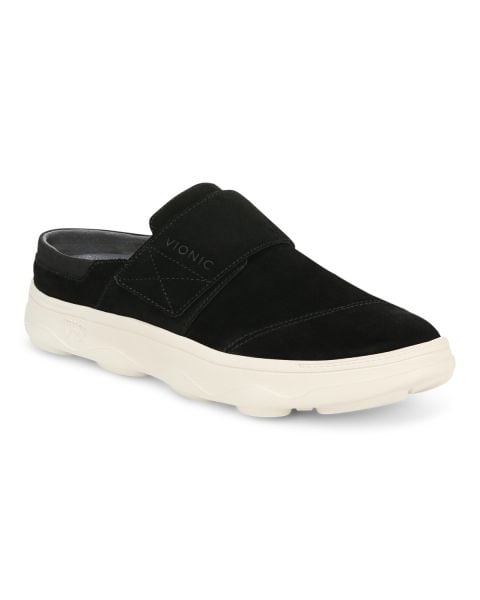

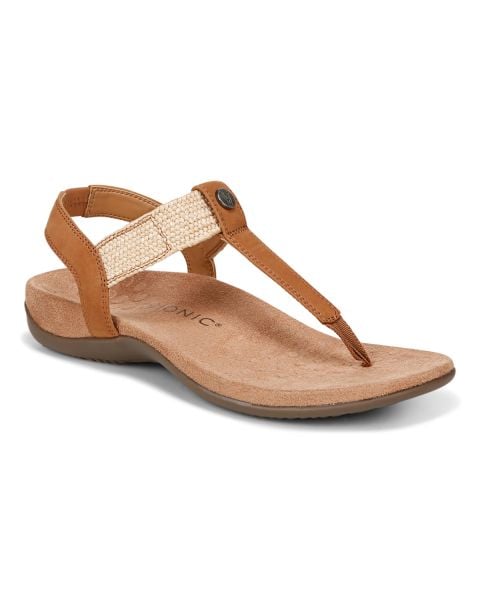
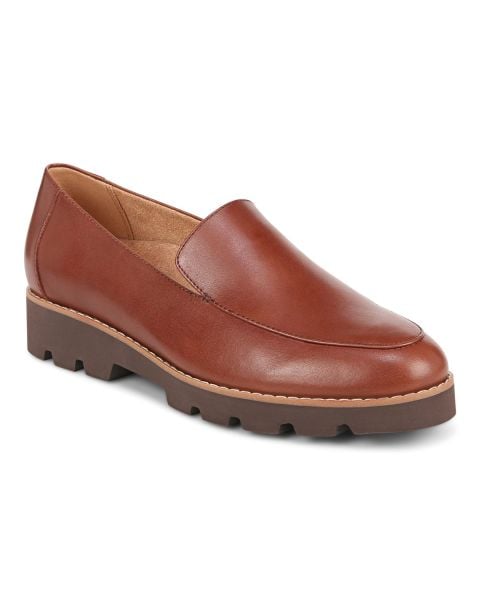
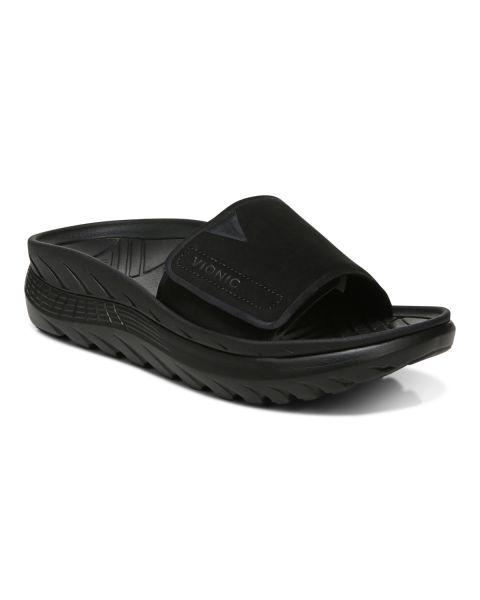

Women's Plantar Fasciitis Shoes
Alleviate pain and find unmatched comfort with our special collection of plantar fasciitis shoes.
• Expertly crafted to relieve heel and arch pain caused by plantar fascia inflammation
• Includes a diverse selection of styles for all seasons
• Powered by VIO MOTION™ technology
What styles of shoes for plantar fasciitis are available?
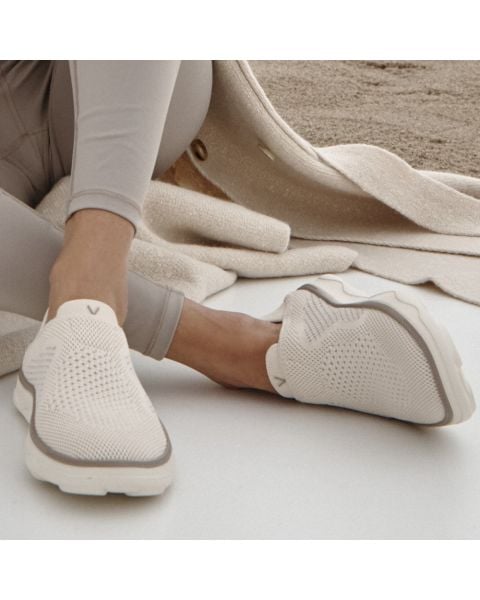
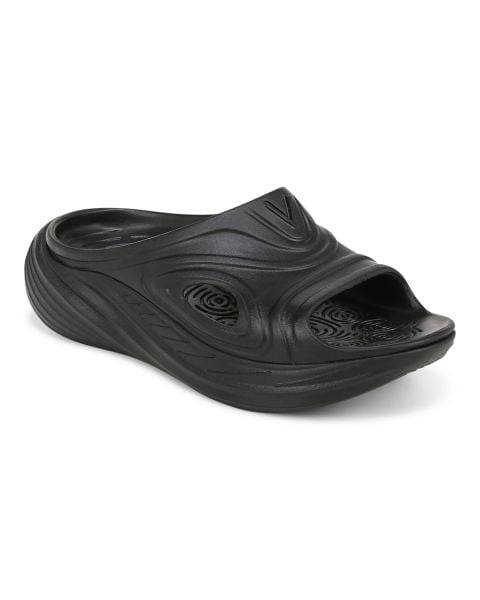
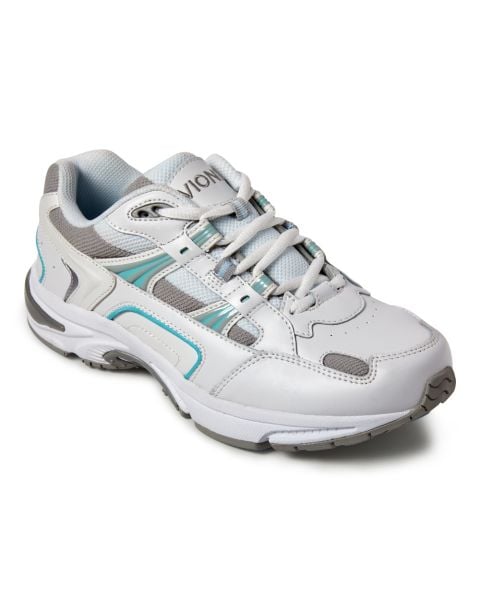
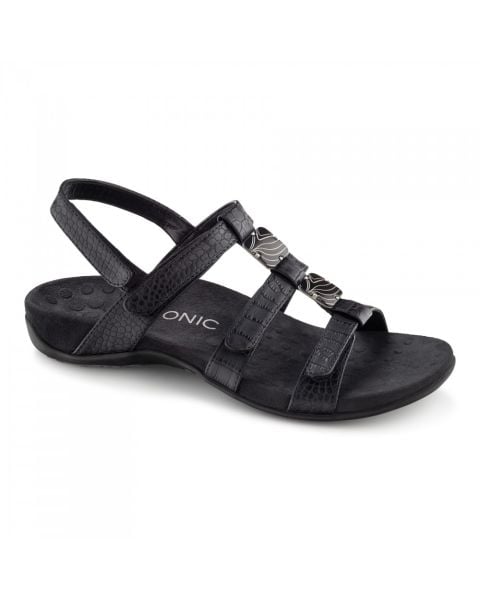
Our curated collection of plantar fasciitis shoes for women includes styles for all seasons and situations, from transitional trainers and office-friendly loafers to sleek sandals. We overturn any unflattering perceptions of orthotic shoes with our attractive designs showcasing the latest trends in a range of colours and materials.
Every style features a contoured footbed and cushioning for superior support and long-lasting comfort. You can combat foot fatigue and enjoy days without interruption from plantar fascia pain. Prioritise recovery and performance styles that help you stay active.
H2: How do Vionic plantar fasciitis shoes relieve symptoms?
Foot pain should never hold you back. Our shoes for plantar fasciitis are designed with exclusive alignment technology that supports you with every step:
• Stability and flexibility are expertly balanced
• Arch support evenly distributes pressure
• Cushioning maximises shock absorption
Whether you have flat feet or high arches, our trusted and certified formula helps relieve plantar fascia discomfort and encourages overall foot wellness.
Order ladies' shoes for plantar fasciitis for UK delivery
Ready to find relief from plantar fasciitis? Order Vionic shoes for women today for next working day delivery to your door, included as standard.
Sign up for our newsletter to find out first about the latest news, seasonal promotions and get 10% off your next purchase. If you need help with your order or have questions about our products or services, get in touch with our friendly team.
Frequently asked questions
What is plantar fasciitis?
Plantar fasciitis is a condition that develops when the plantar fascia is strained and/or inflamed.
The plantar fascia is a thick, fibrous band of tissue running along the bottom of your foot from the heel to the ball and toes. The ligament is attached at one side to the heel bone and at the other fans out to attach at the base of each of your five toes, supporting your arch and acting as a shock absorber.
When excessively stretched, micro-tears can occur in the tissue, causing swelling and pain. This can also cause other problems, like reduced stability or foot and ankle discomfort.
What are the symptoms of plantar fasciitis?
A sharp pain in the middle of your heel, that's worse first thing in the morning or after rest, is one of the main symptoms of plantar fasciitis. Some people also feel increased strain in the sole of their foot.
What causes plantar fasciitis?
Heel pain like plantar fasciitis can develop due to poor biomechanics, such as over-pronation, when your feet roll in too far when you take a step. Unsupportive footwear can worsen stability issues, which is why the best shoes for plantar fasciitis have contoured footbeds for enhanced arch support.
How can I treat plantar fasciitis?
We've put together five healthy tips for easing and preventing plantar fasciitis:
1. Wear supportive footwear
Update your wardrobe with shoes for plantar fasciitis or invest in a special insole to help with natural realignment. When worn consistently, orthopaedic shoes and orthotics are a great first step in managing the condition, effectively alleviating pain and improving stability. Choose footwear that stays secure on your feet with cushioning and heel support.
2. Stretch regularly
Keeping your calf muscles limber helps to reduce the strain on the plantar fascia. To stretch your calves and Achilles tendon, stand on the edge of a step, resting your weight on the balls of your feet. Bend your knees for 25 seconds and then straighten. Perform up to five repetitions whenever tightening occurs.
3. Exercise your arches
While seated and barefoot, try this exercise to reduce high arch, heel spurs and plantar fasciitis pain. Squeeze your foot as if you have a small marble under the ball of your foot and then pretend to set it down on the floor – and repeat. This stretches and strengthens the muscles that run under the metatarsals, enhancing overall stability and comfort.
4. Slowly increase physical activity
Plantar fasciitis can be caused or worsened by overuse, especially if it's a sudden change. If you’re a runner, limit weekly mileage increases to 10%, max. If you’re new to a walking programme, the same caution should be applied. Choose the best shoes for exercising to safeguard against plantar fasciitis, like cushioned trainers with a balanced drop and ample room in the toe box.
5. Apply ice and rest
After mild stretching, use a frozen water bottle to roll under the arch of your foot for 10-20 minutes or apply a cold pack to the bottom of your heel.